Introduction to Contemporary Garden Planters
In the evolving world of gardening, contemporary garden planters have emerged as essential elements that blend aesthetics with functionality. These planters are not just containers for plants; they represent a lifestyle choice that reflects personal style and environmental awareness. As more people turn their outdoor spaces into extensions of their homes, understanding the essence of contemporary garden planters becomes crucial for both new gardeners and seasoned horticulturists alike. The modern gardening movement is about creating a seamless connection between nature and design, and contemporary planters play a central role in this narrative. When exploring options, contemporary garden planters provide comprehensive insights into styles, materials, and functionality.
Defining Contemporary Garden Planters
Contemporary garden planters are characterized by clean lines, innovative materials, and a modern aesthetic that complements a variety of settings. They encompass both indoor and outdoor designs, catering to the unique needs of urban living, where space can be a constraint. Typically, these planters are made from diverse materials, including plastic, ceramic, concrete, and metal, each offering different advantages in terms of design and performance. Unlike traditional planters, which might prioritize utility over looks, contemporary designs merge functionality with style, encouraging gardeners to incorporate them as focal points in their landscapes.
Importance of Style and Functionality
The dual focus on style and functionality is what distinguishes contemporary garden planters from their traditional counterparts. In today’s gardening environment, aesthetics are just as important as the practicality of the planter. Modern planters not only enhance the beauty of outdoor and indoor spaces but are also designed to suit specific gardening needs. For instance, self-watering features can help maintain plant health, while lightweight materials ensure ease of mobility without sacrificing durability. This balance of form and function is foundational to contemporary gardening, where every element contributes to the overall experience.
Overview of Key Trends in 2026
The gardening landscape is continually evolving, with new trends emerging each year. In 2026, we can expect certain key trends to shape the market for contemporary garden planters:
- Sustainable Materials: As environmental consciousness grows, planters made from recycled or biodegradable materials will gain traction.
- Smart Technology Integration: Planters that incorporate smart technology, such as self-watering systems and moisture sensors, are set to dominate.
- Customizable Designs: Expect to see increased demand for planters that can be personalized in terms of size, color, and shape to fit individual tastes.
Top Materials for Contemporary Garden Planters
Benefits of Concrete and Metal Planters
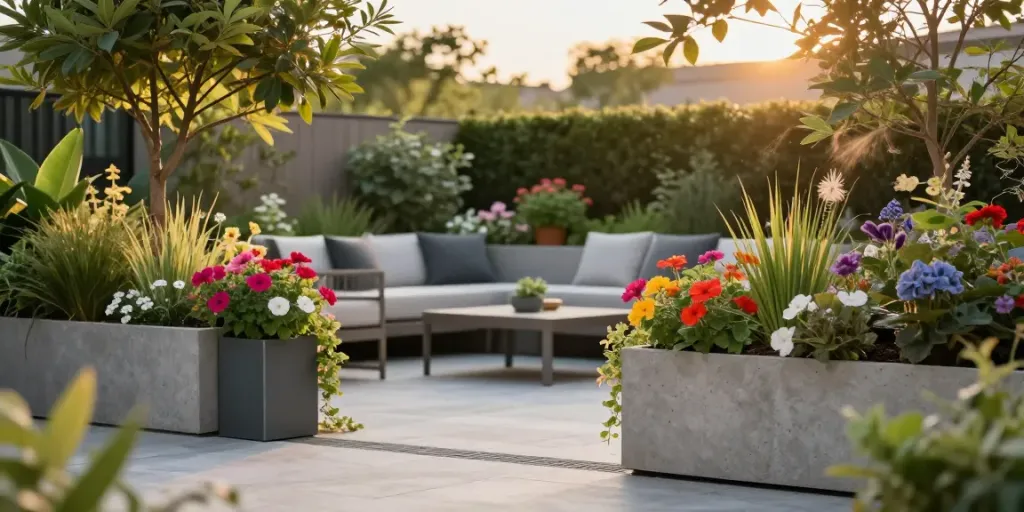
Concrete and metal are two of the most popular materials used in contemporary garden planters, each offering unique benefits. Concrete planters are known for their durability and weight, making them ideal for larger plants or outdoor environments where wind can be a factor. They also provide excellent insulation for roots, promoting healthy growth. On the other hand, metal planters, particularly those made of stainless steel or corten, are celebrated for their sleek appearance and resilience against rust and corrosion. Both materials offer a modern aesthetic that enhances contemporary gardens and patios.
Eco-Friendly Options: Recycled and Biodegradable Materials
As gardening enthusiasts become increasingly aware of their environmental impact, eco-friendly options in planter materials are gaining popularity. Recycled plastics and biodegradable materials made from natural fibers are excellent choices for those looking to reduce their carbon footprint. These materials not only reduce waste but also often come in trendy designs that appeal to the environmentally conscious consumer. By opting for these sustainable alternatives, gardeners can contribute to a greener planet while enjoying modern aesthetics.
Choosing the Right Material for Your Climate
The climate plays a significant role in determining the most suitable materials for contemporary garden planters. For instance, areas with extreme temperature fluctuations may benefit from insulated planters made of concrete or ceramic, which protect plant roots from heat and cold. Conversely, lightweight materials such as resin are perfect for regions that experience heavy rainfall, as they allow for easy drainage and movement. Understanding local weather conditions is essential for selecting planters that will thrive regardless of the environment.
Design Trends Shaping 2026
Minimalistic Designs and Clean Lines
Minimalism continues to dominate the world of contemporary garden design. Planters that feature clean lines and a simple aesthetic help create a serene and uncluttered environment. This trend is particularly appealing in urban spaces where simplicity can counterbalance the chaos of city life. Designs that focus on geometric shapes and monochromatic color palettes offer a chic, sophisticated look that integrates seamlessly into various landscapes.
Integration of Smart Technologies in Planters
The rise of smart gardening solutions has led to the incorporation of technology in contemporary planters. From self-watering systems to planters equipped with sensors that monitor soil moisture and nutrient levels, the integration of technology can significantly enhance plant care. These innovations not only simplify gardening but also promote healthier plants by ensuring optimal growing conditions.
Color Trends: From Earth Tones to Bold Statements
Color palettes for contemporary garden planters are evolving, with a shift towards bold statements alongside classic earth tones. While natural shades like terracotta and stone reflect the organic, grounding aspect of gardening, vibrant hues such as deep blue, bright yellow, or even metallic finishes can add an exciting pop of color. This variety allows gardeners to express their personal style and enhance their outdoor spaces creatively.
Incorporating Planting Techniques
Best Plants to Use in Contemporary Planters
Choosing the right plants is crucial for maximizing the aesthetic and functional potential of contemporary garden planters. Popular options include succulents and cacti for their low maintenance needs, or flowering annuals like petunias and geraniums, which provide splashes of color. For larger planters, small trees and shrubs like dwarf conifers or boxwoods can create impressive focal points. Understanding the light and water requirements of different plants is key to ensuring they thrive in their contemporary settings.
Layering and Arranging for Visual Impact
Layering plants in varying heights and textures can create a visually appealing arrangement within contemporary garden planters. Incorporating taller plants in the center or back, surrounded by mid-height and trailing plants in the front, adds depth and interest to the display. Moreover, considering the color and foliage contrast can elevate the visual impact, providing a dynamic and engaging look.
Seasonal Considerations for Year-Round Aesthetics
Incorporating seasonal plants is a fantastic way to maintain visual interest throughout the year. Using a combination of evergreen plants and seasonal blooms can ensure that planters remain attractive regardless of the time of year. For instance, using evergreens during winter months provides structure and greenery, while seasonal flowers can be rotated in during spring and summer for vibrant color. This approach not only keeps the garden looking fresh but also allows for creativity in designing seasonal arrangements.
Future Insights and Innovations
Predicting the Next Big Trends in Gardening
As we look towards the future, several trends are anticipated to shape the evolution of contemporary garden planters. Eco-conscious designs will likely become more mainstream, with a proliferation of sustainable materials and practices. Additionally, urban gardening will continue to rise, prompting innovations in vertical gardening and compact designs that accommodate limited spaces. The integration of smart technology will also expand, paving the way for more advanced gardening solutions.
Technological Advances in Planter Designs
Technological advances are set to revolutionize how we approach gardening. Innovations such as planters with built-in irrigation systems, solar-powered lighting, and app-controlled environments will become more prevalent, making gardening easier and more efficient. These technologies not only simplify plant care but also encourage more people to engage with gardening, regardless of their experience level.
Influence of Urban Living on Gardening Preferences
Urban living significantly impacts gardening trends, with many city dwellers seeking ways to incorporate greenery into their compact living spaces. This has led to an increased interest in vertical gardens, balcony planters, and other space-saving solutions. Moreover, the demand for aesthetics that complement modern architecture has risen, encouraging designers to create unique contemporary garden planters that align with the urban aesthetic.
What are the latest trends in garden planters?
The latest trends in garden planters emphasize sustainability, smart technology, and customization. Expect to see an increase in planters made from recycled materials and those that incorporate self-watering mechanisms or moisture sensors.
What are the benefits of using contemporary garden planters?
Contemporary garden planters offer several benefits, including enhanced aesthetic appeal, improved functionality, and options for sustainability. They allow for creative expression and can fit a variety of spaces and styles.
How to choose the right plants for contemporary garden planters?
Choosing the right plants involves considering the size, light conditions, and watering needs. Opt for plants that thrive in your specific environment, and don’t hesitate to mix different sizes and textures for visual interest.
What materials are best for outdoor garden planters?
For outdoor garden planters, durable materials like concrete and metal are often ideal due to their weather resistance. Eco-friendly options like recycled plastics and biodegradable materials are also gaining popularity.
How do I maintain my contemporary garden planters?
Maintenance involves regular checks for drainage, ensuring that plants have adequate water without becoming waterlogged. Seasonal plant rotation and cleaning planters can also help maintain their appearance and health.